Business areas in Oakland deal with risks that rarely follow a fixed pattern. Some risks show up loudly; others stay quiet until damage is already done. Theft, trespassing, shoplifting, and property damage often appear without warning signs that are easy to catch early. Many business owners tend to deal with security only after something goes wrong, and that delay often leads to unnecessary stress and loss. A steadier protection setup helps reduce that uncertainty and keeps day-to-day operations from feeling unpredictable.
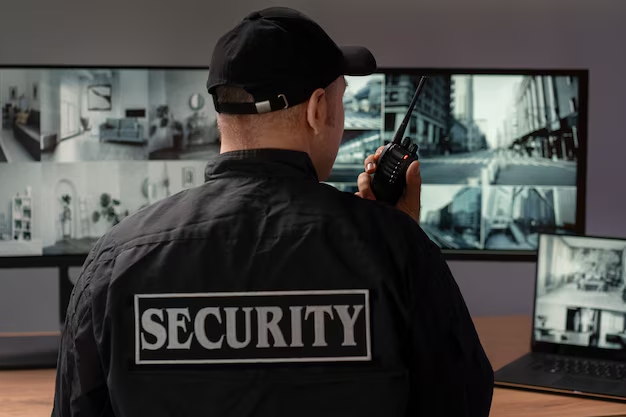
Understanding risk starts with people who stay present on the ground. Many businesses now depend on private security guards in Oakland for routine protection needs. These guards manage entry points, monitor movement across the property, and respond when situations shift in the wrong direction. In many cases, just having a visible guard on-site changes behavior. People hesitate more when they know someone is watching closely. Retail stores, warehouses, and office buildings often notice fewer disruptions when trained guards stay alert throughout working hours. It is a simple idea, but it works because presence changes decisions.
Why Security Presence Changes Business Behavior
Security is not only about reacting after something happens. It often works earlier than that, in small moments that go unnoticed.
A few common effects of visible security include:
- Reduced unauthorized entry attempts
- Lower chances of shoplifting or minor theft
- Better control at entry and exit points
- More disciplined movement inside business areas
- Fewer interruptions during working hours
These changes do not always feel dramatic day to day. Still, over time, they shape the stability of the environment.
Some business owners expect security to feel passive until an incident happens. In reality, the presence itself creates a boundary. That boundary often prevents small issues from turning into bigger disruptions.
See also: Benefits of Hiring Private Security Guards Oakland Businesses
Layered Protection with Monitoring Support
Many businesses also combine on-ground guards with structured monitoring systems. One commonly used approach is to have Vigilant Eye Security provide oversight across different areas of a property. This kind of setup helps when one person cannot physically watch every corner at once.
It usually works in a layered way:
- Guards manage physical movement on-site
- Monitoring systems track activity across wider zones
- Alerts help identify unusual behavior early
- Reports support the review of repeated weak points
There is always a gap between what is seen and what is happening out of sight. A combined approach helps reduce that gap without making operations feel complicated.
Systems That Support Security Work
Security guards often rely on simple yet structured systems to do their jobs more effectively. These tools help reduce confusion and improve response during busy hours.
Two commonly used systems include:
Access control systems
These systems manage who enters specific areas inside a property. They reduce random movement and help keep restricted zones protected without constant manual checking.
CCTV monitoring systems
Camera setups record activity and help track movement throughout a business space. They also support live response when something unusual happens.
Both systems support human decision-making rather than replacing it. They give clarity when situations move too quickly to rely on memory or guesswork.
Where Businesses Often Miss Security Gaps
Security issues do not always come from major failures. Often, they start with small, overlooked details.
Common weak points include:
- Poor lighting in hidden corners
- Unlocked side doors or emergency exits
- Irregular patrol timing
- Unverified visitor movement
- Storage areas without proper supervision
These gaps often look harmless at first. Over time, they become entry points for larger problems. Many business owners only notice them after an incident, which makes correction more expensive and stressful than prevention.
Training and Human Awareness on Site
Technology supports security, but human judgment still plays a major role. Guards trained to observe behavior patterns can notice changes that systems may not immediately highlight.
This includes:
- Sudden crowd tension in public areas
- Unusual movement near restricted zones
- Repeated visits without a clear purpose
- Signs of conflict building between individuals
- Irregular activity during quiet hours
Response in these situations is not always about action. Sometimes it is about timing, communication, and reducing escalation before it grows.
There are moments when situations feel unclear. A trained guard often works through that uncertainty by staying alert rather than reacting too fast. That balance matters more than it appears from the outside.
Why Routine Patrols Still Matter
Regular patrol movements often get overlooked, but they play a steady role in prevention. When guards move through a property consistently, it signals attention across the entire space.
It also helps identify:
- Faulty locks
- Weak entry points
- Unusual objects or activity
- Maintenance issues that affect safety
These details may look small in isolation. Together, they often define how secure a space actually is.
Security as Part of Daily Business Stability
Security is not only about stopping incidents. It also affects how the workplace feels during normal operations. Employees tend to move with more confidence when they know someone is actively watching the environment. Customers also feel more comfortable, even if they do not consciously notice why.
Over time, this creates a quieter form of stability. Work flows with fewer interruptions. Movement inside the space feels more controlled. Problems still appear, but they are handled earlier and with less disruption.
Final Conclusion
Hiring trained security support changes how a business handles uncertainty. It does not eliminate risk, but it reduces the likelihood of small problems becoming larger disruptions. A combination of guards, monitoring systems, structured patrols, and access control creates a working balance that supports both safety and daily operations.
Businesses that delay security planning often deal with avoidable pressure later. A steady setup helps reduce that pattern and keeps control stronger across different situations.